
What are renewable fuels?
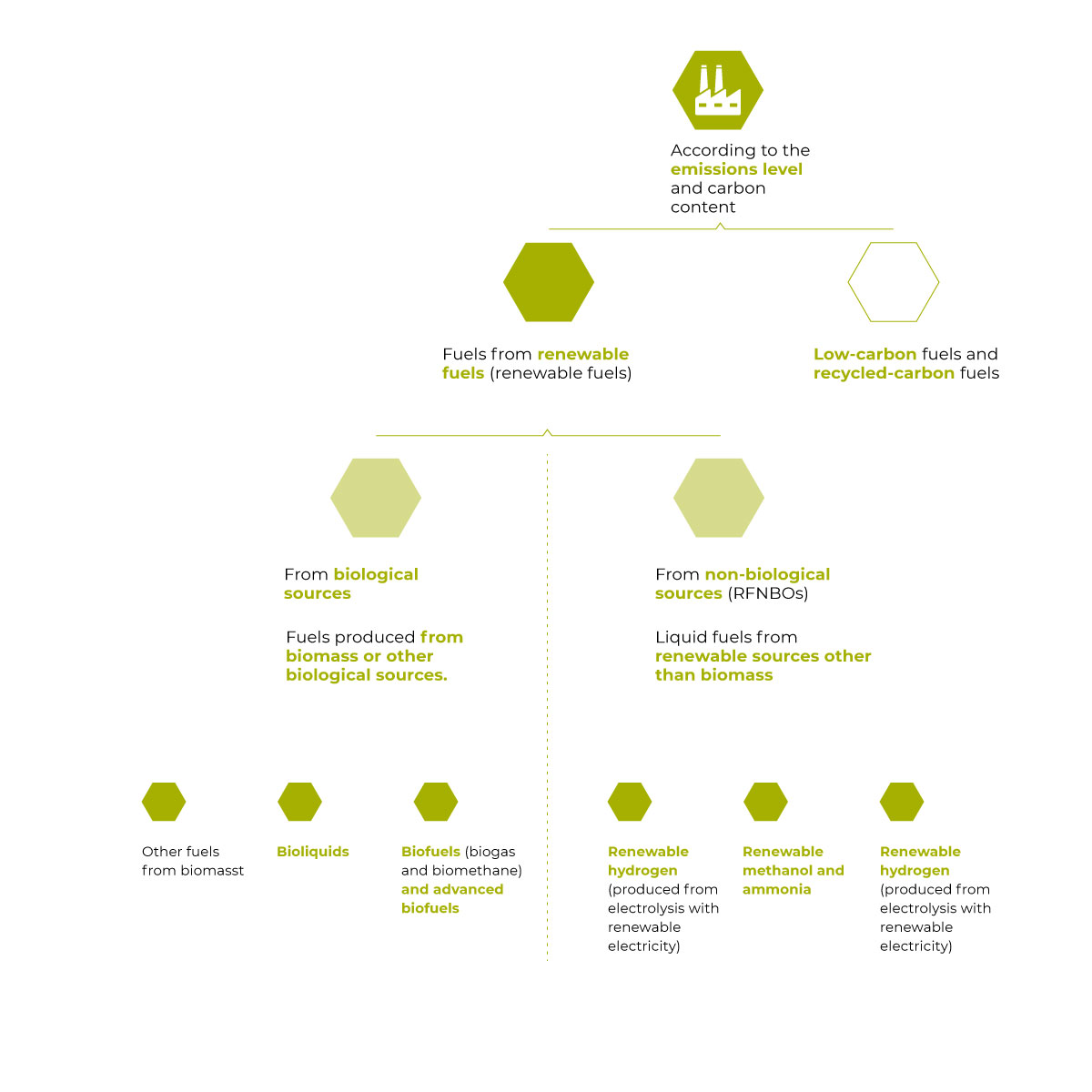
Below is a graphic developed by Deloitte which summarises what can be considered as renewable fuels, based on the Renewable Energy Directive RED III.
Renewable fuels are considered to be sustainably-produced chemical compounds produced sustainably which have the ability to replace fossil fuels, with low or zero emissions. For the first time, the Renewable Energy Directive RED III defines the different types of existing fuels, establishing the following basic distinctions between them:
The role of renewable fuels
Renewable energy targets must be accompanied by complementary decarbonisation efforts based on other non-fossil energy sources to achieve net zero before 2050. Member states must be able to combine different non-fossil energy sources to achieve the EU target.
The Renewable Energy Directive RED III outlines a list of renewable fuels that include biofuels, bioliquids, biomass and non-biological renewable fuels.
We are talking here about an extensive group of fuels from renewable sources that share the fact that they actually come from sources that are biological (biofuels, bioliquids and biomass fuels) or non-biological and are commonly known under the acronym RFNBO (Renewable Fuels of Non Biological Origin), namely renewable hydrogen and its derivatives, synthetic fuels (e-kerosene, e-diesel, e-petrol), which make up the majority of this group of fuels.
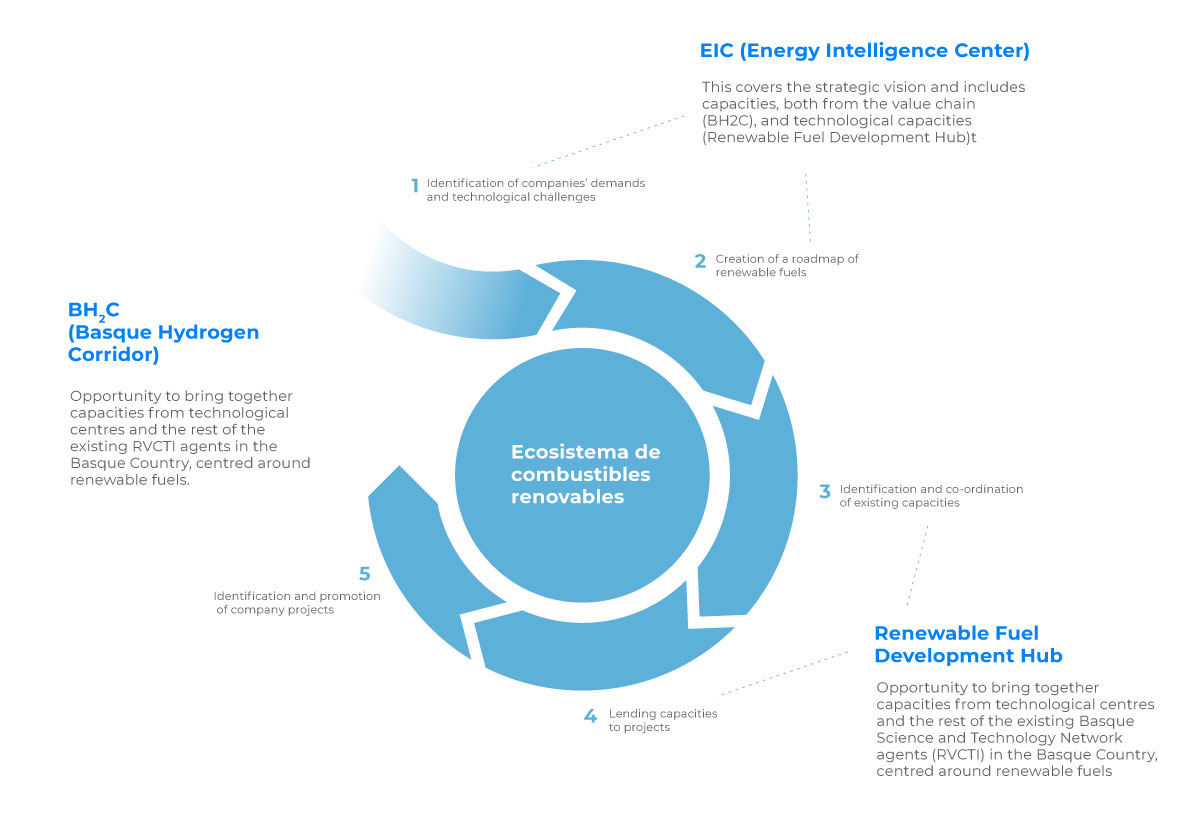
Renewable fuel ecosystem
he Basque Country has the opportunity of positioning itself as a global leader in renewable fuels and to do so, needs a figure that quickly brings together and optimises already existing capacities towards a common goal.
Project objective
The objective is to identify technological development projects that respond to the needs of companies with renewable fuel initiatives and structure all of the capacities of the technology available to respond to these demands.
The EIC Foundation will create a renewable fuel roadmap for this and its subsequent management to:
- Identify technologies to develop and support ongoing industrial projects and new projects that arise around renewable fuels throughout their entire value chain (from production to different uses, such as manufacturing equipment and solutions), and whose demand requires technological development.
- Identify the capacities necessary to develop projects included in the roadmap among the agents of the Basque Science and Technology Network and attract the necessary talent whenever the necessary capacities are not present.
- Invest in infrastructure to ensure the development of technologies that allow the decarbonisation of the Basque Country’s industries.
Unique projects to undertake will also be identified. This could be through collaboration initiatives or entail a qualitative leap for the evolution of the technological development of renewable fuels in the Basque Country, or even involve actions that go beyond a R&D project, such as trial infrastructures and pilot projects, etc.
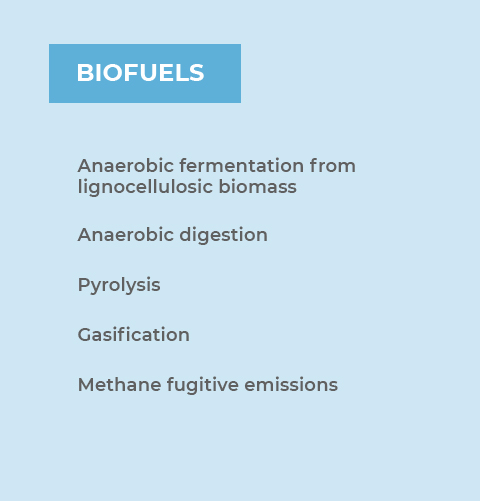
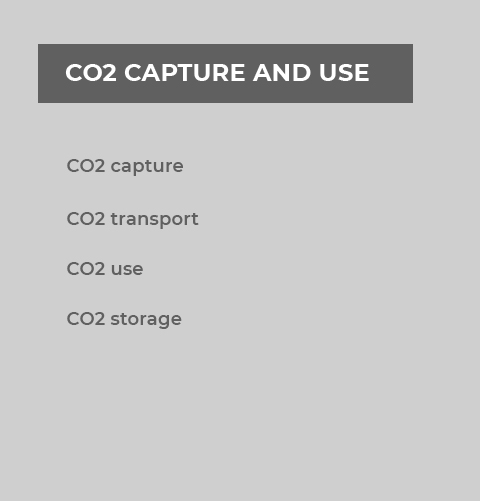
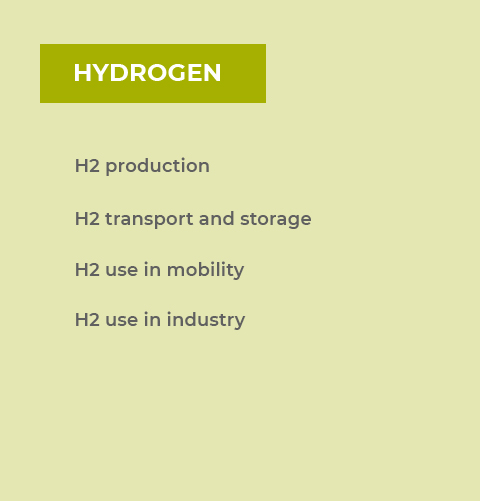
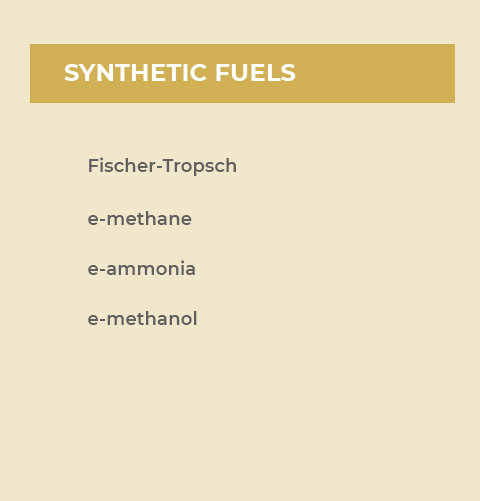
Project areas and subareas
Participating companies and technological centres
Operators
Engineering and services


Manufacturers




R&D agents